All posts by belgradephotomonth

East to East – Klavdij Sluban

Klavdij Sluban
Winner of the European Publishers’ Award of Photograpy (EPAP) 2009

EAST TO EAST : published by 6 European publishers:
-Actes Sud, France
-Dewi Lewis Publishing, England
-Braus Verlag, Germany
-Lunwerg Editores,Spain
-Peliti Associati Editore, Italy
-Apeiron Editions, Gteece

Text by Erri de Luca

Twenty years ago, a dividing wall was breached and the door to Eastern Europe thrown wide open. To talk of ‘the fall of the Berlin Wall’ is not strictly accurate: it didn’t fall down, there was no subsidence. Its time had passed and it was torn down. I have been a builder; for many years I have also knocked down walls – it’s good when they are no longer needed. To tear down a dividing wall is wonderful; to clear away the sentry post on a border which no longer exists. The one thing I love about new Europe is the abolition of internal borders. I love the word ‘union’. Walls have two sides and two purposes: one is to offer protection from the outside elements, theother to keep people in – to imprison those inside. The twentieth century has seen more imprisonment than any other period in the history of mankind. In my own country, Italy, people of my generation, the last revolutionary left-wing generation of the West, have been imprisoned more often than at any other time in the history of the country, shattering the record of incarceration set during the Fascist years. The walls of the twentieth century were built to confine people.

Klavdij Sluban comes from the segregated half of Europe, he is used to fences and to bars. He has even taught photography in prison. In this book he visits the East, an East whose people have been
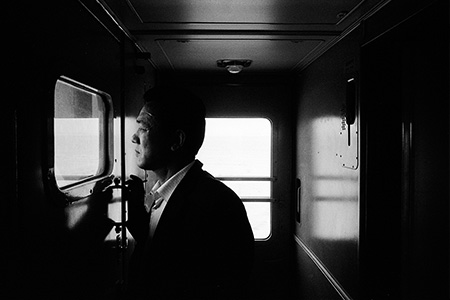
set free, like monks released from an enclosed order. Twenty years ago, in Berlin, a dam was demolished. One autumn evening, a throng, a tidal wave of people poured towards the forbidden half of the divided city through the first breach in the wall. Just a few metres and they were reunited with their compatriots. That night Germany slowly began to emerge from the effects of a war that had been lost forty four years before.Twenty years ago the Eastern part of a world in conflict, a world then divided in two, broke down the barriers and broke ranks. Poland, Hungary, East Germany: Eastern Europe dismantled the locks and the bolts. In Romania, the Latin Slavs subjected their dictator and his wife to summary trial and quick execution by firing squad. Like his fellow countrymen Klavdij Sluban, who spent his childhood in Livold, Slovenia, belonged to Yugoslavia, a country which ended up being torn apart in the final decade of the century. As an aid convoy driver, I experienced the war of the southern Slavs: as soon as the shackles of union were removed they became free to destroy each other. I saw the flowering bushes of barbed wire, the multiplication of frontiers, the desecration of graveyards, the destruction of places of worship, the names expunged from registers one by one. From this region of all-consuming hatred the photographer emerges, his Leica slung over his shoulder and loaded with black and white film. He tells about those in the East, to those who hardly knew the East existed. For those who, like me, know that the day begins in the East, the photographer’s revelations upset the equilibrium, revealing the shadows that emanate from there. Even the snow is dark, the light a faded white, exiled to the surface. The photographer walks through the abandoned cities of the East. Where have all the inhabitants gone? Is anyone left hidden in the mist, is there some poor wretch on the run or with their back to the wall. The photographer presses on, in search of people, beyond Europe, advancing into Asia, Russia, Mongolia, China, on the Trans-Siberian Railway, but he finds no areas of dense population. Everywhere it is the geography that dominates, making human beings insignificant. Lake Baikal, in Siberia, the deepest lake in the world and the richest in oxygen, is an unseeing eye to those on the passing train. To those who know of Asia as a continent teeming with billions of people the prophetic vision of an empty world is offered. It is peopled only by the one or two souls who are left after who knows what mass exodus or population disaster: the remaining few live on there without hope. The Hebrew word kèdem indicates both time past and the East. The journey of the photographer, rather than leading him to an East that is conceived as time past, opens a crack in the wall of time and takes him into the future. He visits the East as if he were a pilgrim consulting an oracle. From it he receives visions veiled in smoke and mist: the East is a defeated future, a time yet to come for humanity, stretched out and flexing, as if it were a tail, still wagging, if only feebly. The tail, as every butcher knows, is the hardest part to skin. And the future depicted here in photographic images is hard, hard to listen to. From the noisiest century of all, the greatest producer of mechanical clatter, we shall pass into a world of silence. The future will be accompanied by the silence of those who have been struck dumb. In these photographs, the use of black and white is like the fitting of a silencer to the barrel of a gun. The photographer is a marksman. The rumble of escalators, nuclear power stations, trains and urban landscapes breaks up into whispers. The photographer is homesick for the native snow of his childhood, the snow that used to blanket his corner of the world. But here it has become a white leprosy; it doesn’t coat the ground but eats away at it. Its silence is oppressive. Occasionally the photographer uses a fast exposure to capture a movement, a sudden rush. More often he uses a long exposure and a very small aperture, so that the image is suffused with silence. To give subjects stillness a longer exposure is required. Stillness is the state of grace of a messianic moment, not the thrill of a divine visitation, but the conclusion of a race. The trunks of four slender birches stand out from the wood, like sentries in white. They signal the land’s return to nature, free from human intervention, reclaimed by the wind. I am moved by the single historical flashback which appears in the book, the rush of the sailors across the square for the onslaught on the Winter Palace. The photographer wasn’t there, but he wanted to recreate the scene, and so he photographed a painting exhibited in a museum in St. Petersburg, known as Leningrad to those of us from the twentieth century. It is the only image of a mass of people in motion in the book and it comes from a painting from the beginning of the revolutionary era. Anyone with an imaginative ear can hear the crackle of the bullets and crunch of the trodden snow. The balance of power between the oppressors and the oppressed was changing throughout the world with the revolutions in the East. Ours was a century of insurgents. One photograph is a portrait of our times, the face of a woman with her lips parted to kiss
nothingness, caught in a mirror image. She is turning and is divided for ever. The whole of the East
looks in this way towards the West. Its speechless gaze is the mutest of the whole collection: it
offers and invites a greeting – and silences the onlooker.

Erri de Luca

East to East – Klavdij Sluban

Institut francias de Serbie

18.aprila – 20.maja 2017.


Klavdij Sluban – East to East

Fotograf Klavdij Sluban potiče iz jedne polovine odvojene Evrope, naviknut je na zabrane i rešetke. Poželeo je i da podučava fotografiju u zatvoru. Ovom knjigom posećuje Istok, bivši manastir. (…) Manje je u pitanju putovanje ka Istoku posmatran kao prošlo vreme, a više kao upad fotografa u budućnost, kopanje rupe u njenom zidu. Fotograf posećuje Istok u svojstvu hodočasnika koji ispituje proročanstvo. Odgovori mu se javljaju kao vizije u sred isparenja i dima. Istok je budućnost u pometnji. (…) Eri de Luka

U saradnji sa Kulturnim centrom Beograda

Rođen u Parizu 1963. godine od roditelja Slovenaca, Klavdij Sluban dobitnik je EPAP nagrade European Publishers Award for Photography) 2009, i njegova knjiga Transsibériades objavljena je simultano na šest jezika u šest evropskih zemalja. Laureat je i nagrade Leica (2004) kao i nagrade Niépce (2000). Slubanovo delo je veoma lično, koherentno i oštro, što ga čini jednim od najznačajnijih autorskih fotografa njegove generacije. Njegova fotografska putovanja, često povezana sa književnim delima, povezana su aktuelnim zbivanjima. Crno more, Karibi, Balkan, Rusija, Kina, Centralna Amerika, ostrva Kergelen na Antarktiku … mogu da se protumače kao susret trenutne stvarnosti i unutrašnjeg osećaja fotografa dromomana. Duboke crne površine i siluete u kontralihtu daju njegovom delu čistotu i jasnoću oslobođenu svake didaktičnosti ili egzotike. Od 1995. Klavdij Sluban fotografiše maloletnike u zatvorima gde priređuje i radionice fotografije. Uz podršku Anrija Kartije-Bresona, Marka Ribua i Vilijama Klajna, radi u zatvorima u Francuskoj, disciplinskim logorima u istočnoj Evropi, u bivšoj Jugoslaviji (Sloveniji) i Srbiji (Kruševcu i Valjevu), u bivšem Sovjetskom savezu (Ukrajini, Gruziji, Moldaviji, Letoniji, Rusiji) kao i u centralnoj Americi i Brazilu. Upoznat je sa zatvorskim prostorima i druži se sa zatočenicima, te u svojim delima govori o problemu zatvorenog prostora i skučenog horizonta. Slubanove fotografije su prisutne u velikim izložbenim prostorima, u Muzeju fotografije u Helsinkiju, Muzeju lepih umetnosti u Kantonu, Metropoliten muzeju fotografije u Tokiju, u Teksas muzeju u SAD, na Susretima u Arlu, u Evropskoj kući fotografije kao i u Centru Pompidu/Boburu u Parizu. Godine 2013. priređena je njegova retrospektiva u muzeju Niepce u Francuskoj a 2015/16 dobitnik je rezidencijalnog boravka Villa Kujoyama u Kiotu (Japan). Objavio je mnoga dela a član je i brojnih francuskih i međunarodnih žirija fotografije. Francuski institut u Srbiji priredio je 2003. godine izložbu njegovih dela u Beogradu.
Pogledajte video o Slubanovom radu sa Anri Kartije-Bresonom Slubanov video intervju gde objašnjava svoj rad sa mladima u zatvorima kao i jedan tekst na istu temu Prikaz izložbe Živeti u egzilu predstavljene u Maison européenne de la photographie. Njegovu izložbu  na Festivalu u Arlu.

Grupna izložba – Fabrika Fotografa

Galerija Božidarac – 1947

18. – 30. aprila 2017.


Temelji Fabrike fotografa postavljeni su u oktobru 2013.godine, ubrzo smo digli krov i krenuli sa radom svakog vikenda. Od tada se širimo lagano, preko hiljadu fabrikanata smo pustili u pogon.
Mnogi su promenili zanimanje, neki upisali fotografiju na akademiji, a neki već godinama dolaze i želja za novim saznanjima ne jenjava. “Fabrika” Endija Vorhola nam je bila zvezda vodilja, povod i njenog osnivanja je okupljanje kreativnih ljudi u zdravoj i inspirativnoj atmosferi, u cilju uzajamnog unapredjivanja i produktivnosti. Za razliku od Vorholove “Fabrike”, polaznici “Fabrike fotografa” su uglavnom neafirmisani, a i osnivača niko nije pokusao da ubije. Jos uvek. 😉

Na izložbi “Fabrika fotografa” predstavlja se 12 fabrikanata:

Gordana Belić- Bežanija, od očaja do sjaja
Olivera Bojadžić- EU
Ivan Damjanović- Američki san
Jelena Duvnjak- Priče sa reke
Biljana Đurić- Mir
Ana Jovanović- Moj stidentski zivot
Marija Milošević- Prvi portret
Nikola Mitić- Zvezdine zvezde
Milica Rašković- Anksioznost- Move outside the box
Marija Stepanović- Beograd u Vodi
Marija Trkulja- Sneško
Žana Šišić- Na putu do…

Fabrikante oblikuje Aleksandra Popović


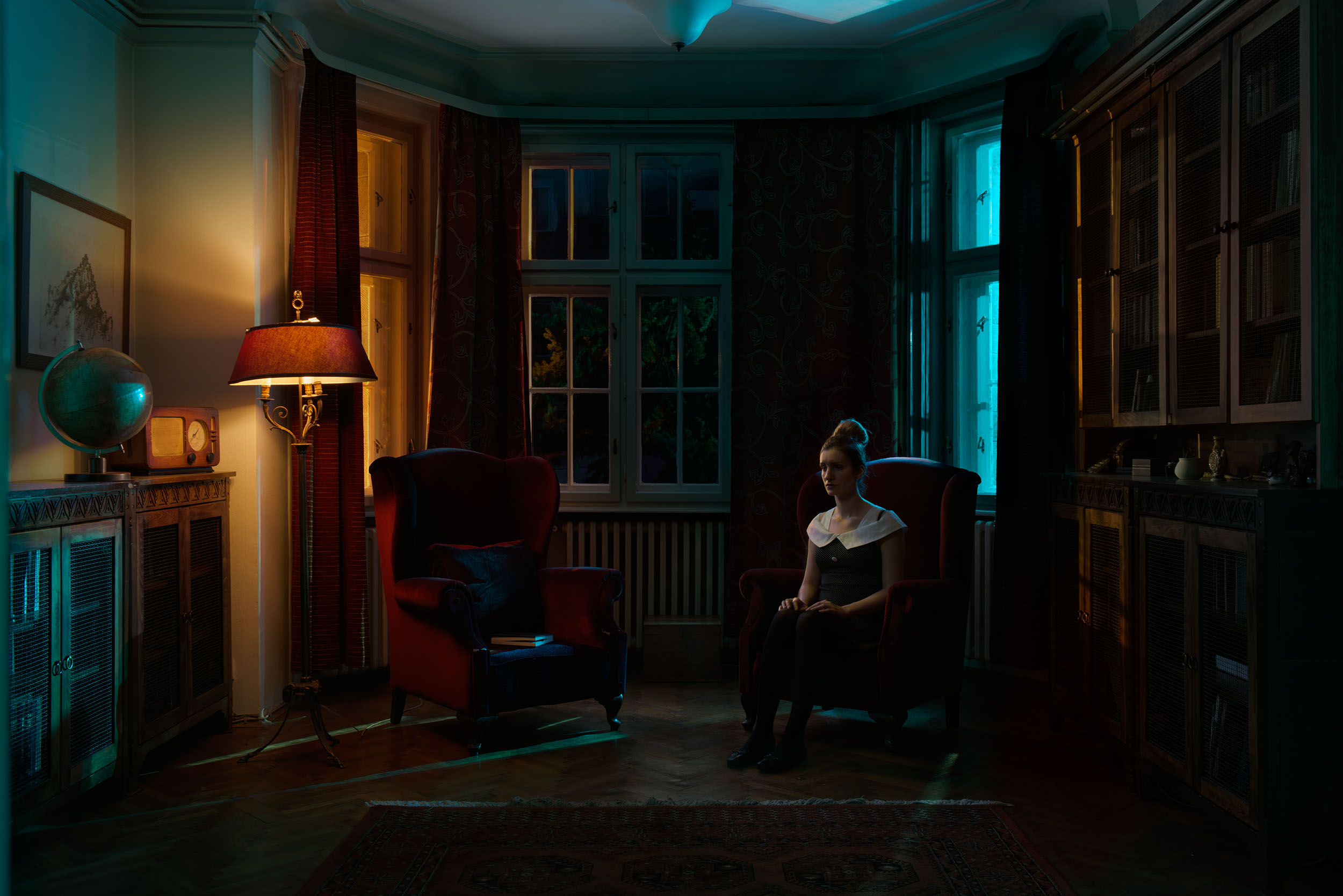
Baggage – Luka Klikovac

Baggage

Luka Klikovac

In the cult film Blow-Up by Michelangelo Antonioni, the main character, a fashion photographer, took candid photos of a loving couple in a deserted park. The woman who desperately tried to come into possession of negatives and her interest in the film itself urged him to scrutinize the scene. By gradually blowing it up, the classic black and white documentary photography became an imperfect, spoiled, granular structure, while a common, slightly idyllic scene became a bizarre one, because there was a hidden picture behind it – a murder scene. What hides behind – that is a question that can be connected to each photography. Born in a dark, mysterious box, photography has gained the status of a “mirror reflection” because of our century-long aspiration to capture the real picture of nature. In its imposed and ostensible reality, it leaves space for us for various interpretations, destructions and deconstructions, for creation of one or more situations and stories below the primary picture that was presented to us. A series of photographs and X-rays called Baggage represents the last part of the trilogy of Luka Klikovac. In the first part Memento, the author, through photos of sterile, hospital atmosphere of young people on the autopsy table, deal with the analysis of life, death, time, our pointless fight with it, as well as the photography itself which constantly reminds us of transience and end. On the contrary, in the Mirror, with images of the same people, but in coffins and with certain costumes and props, he focused on unfulfilled desires, fantasies and imposed ideals, false self-presentation in the society of continuous production and
consumption of technological images, in short, on what we strive for during our life, more or less, and what becomes totally irrelevant with the termination of life itself. The story continues and at the same time ends with the project Baggage, which is placed between the mentioned cycles and represents a potential reality. The same actors were shot at night in different exteriors and interiors of surreal, tense and creepy atmosphere. With cold, aloof glance, as if the last people on earth, they are shown with suitcases and bags anticipating an action that is yet to happen. Who are they? What or who are they waiting for? Where are they going? These are not the only questions that are imposed. Perhaps more important one is: What are they carrying in their baggage? Due to the presence of tension and film structure, and more than in previous two cycles, Luka Klikovac has taken the position of a film director, the one who has left nothing to chance, from selection of locations and appearance of protagonists, through lightning and shooting, to presentation in the gallery. At the same time, he went further by introducing enlightened X-rays that reveal the mystery of the contents of baggage itself to spectators. According to common understanding about photography, the negative or the film hides something because it gives us shapes of objects, people or situations, while the positive or the image itself is the one that reveals. Here we find the opposite. A photo or a positive is the one that hides, while the X-ray is the one that reveals the mystery of contents of suitcases and bags, thus introducing new situations and contents into stories. In this way, the problem of reality and authenticity of photography gets a new, atypical approach. Acting on the principle of a trigger and by displacing the classical perception of a spectator, Trilogy and therefore Baggage by Luka Klikovac are the criticism of irony, absurdity, bizarreness of the modern society, our perceptions of the world, time and reality which is intertwined with the analysis and a review of the photography itself and our own perception.

Jelena Matic, MA

Prtljag – Luka Klikovac

Dom omladine Beograda

18. – 30. aprila 2017.


Prtljag / Luka Klikovac

kustos izložbe: Jelena Matić


U kultnom filmu Mikelanđela Antonionija Uvećanje glavni junak, modni fotograf,  igrom slučaja je fotografisao ljubavni par u parku. Zainteresovanost žene za film i njen pokušaj da dođe do njega podstakao ga je da istraži snimljeni prizor. Postepenim uvećavanjem klasična crno-bela fotografija dokumentarnog karaktera postala je nesavršena, zrnasta struktura, dok je svakidašnja, pomalo idilična scena prešla u bizarnost jer se iza prve slike krila druga  ‒ slika ubistva. Šta se krije iza ‒  to je pitanje koje može da se veže za svaku fotografsku sliku. Nastala u mračnoj, tajanstvenoj kutiji, fotografija je zbog naše vekovne težnje da verno uhvatimo sliku iz prirode dobila status ogledalne slike. U toj u svojoj nametnutoj i prividnoj realnosti ona nam ostavlja prostor za različita tumačenja, destrukcije i dekonstrukcije, za stvaranje jedne ili više situacija i priča ispod te primarne slike koja nam je data.

Serija fotografija i rendgenskih snimaka pod nazivom Prtljag predstavlja poslednji deo trilogije Luke Klikovca. U prvom delu Memento autor se kroz fotografije sterilne, bolničke atmosfere mladih osoba na stolu za obdukciju bavio analizom života, smrti, vremenom, našom gotovo bezuspešnom borbom s njim, kao i samom fotografijom koja nas konstantno podseća na prolaznost i kraj. Nasuprot tome, u Ogledalu se  prikazima istih ličnosti, samo u mrtvačkim sanducima i s određenim kostimima i rekvizitima, fokusirao na neostvarene želje, fantazije i nametnute ideale, lažnu samoprezentaciju u društvu neprekidne proizvodnje i potrošnje tehnoloških slika, ukratko, na ono ka čemu tokom života svi manje-više stremimo, a što s njegovim prestankom postaje potpuno nebitno. Priča se nastavlja, ujedno i završava,  projektom Prtljag koji je smešten između pomenutih ciklusa i predstavlja potencijalnu realnost. Isti akteri snimljeni su noću u različitim eksterijerima i enterijerima gotovo nadrealne, napete i jezive atmosfere. Hladnog, udaljenog  pogleda, poput poslednjih ljudi na Zemlji, prikazani su s koferima i torbama u iščekivanju radnje koja tek treba da se desi. Ko su? Šta ili koga čekaju? Gde idu? Ovo nisu jedina pitanja koja se ovde nameću, već je tu i ono možda važnije: “Šta nose u prtljazima?” Zbog prisustva tenzije, filmske strukture, Luka Klikovac je ovde, mnogo više nego u prethodna dva ciklusa, zauzeo poziciju filmskog režisera koji apsolutno ništa ne prepušta slučaju: od odabira lokacija, izgleda protagonista, preko osvetljenja, snimanja do same prezentacije u galerijskom prostoru. Istovremeno je otišao dalje uvođenjem prosvetljenih rendgenskih snimaka koji posmatračima upravo otkrivaju misteriju sadržaja samog prtljaga. Po ustaljenim shvatanjima u fotografiji, negativ ili film sakriva jer nam daje obrise predmeta, ljudi i situacija, a pozitiv ili sama slika je ta koja otkriva. Ovde zatičemo suprotnost. Fotografija ili pozitiv je upravo ta koja skriva, a rendgenski snimak nam otkriva misteriju sadržaja kofera i torbi, uvodeći tako nove situacije i sadržaje u priče. Na ovaj način je problematika realnosti i autentičnosti fotografije  dobila jedan novi, netipičan pristup.

Delujući na principu okidača i izmeštanja klasične percepcije posmatrača Trilogija, pa samim time i Prtljag Luke Klikovca, jeste kritika ironije, apsurdnosti, bizarnosti savremenog društva, naših shvatanja sveta, vremena i stvarnosti, koja se prepliće s analizom i preispitivanjem same fotografije i naše percepcije.

Mr Jelena Matić


Icons of Motions – Sabine Hauswirth

Radisson Blu Old Mill Hotel

17th April – 2nd May 2017


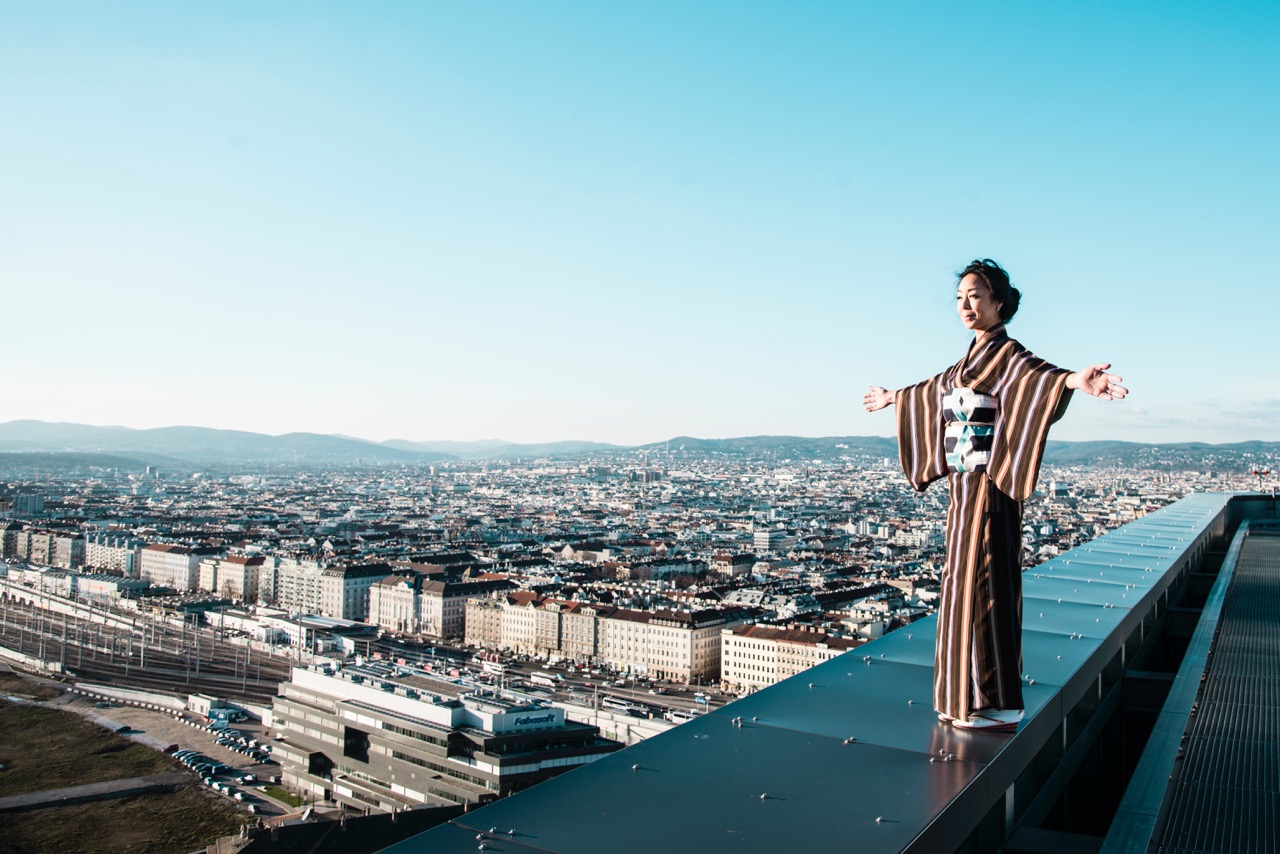
„Icons of Motion“ is the title of a series of photos of the contemporary Performance-Scene in Vienna and depicts cultural personalities on Vienna´s rooftops. The shots reveal the individuals setting the stage for themselves, allowing artistic icons to be created simultaneously. Just like the roof landscapes represent sign and signature with their silhouettes, the protagonist´s expressive faces and self-conscious composures reflect the creative elements of the city. Each building's construction and architecture is an idiosyncratic element in Vienna´s distinct silhouette, individual as the bodies of people. The roofs provide insight and outlook for the camera´s visual angle, presenting the individuals as a vital landmark. Belgrade, like Vienna, is a vivid and growing cultural Metropole, the art scenes are already in constant exchange. „Icons of Motion” was part of “Monat der Fotografie”, in Vienna, November 2016 – it will be a premier for the internationally renowned artist Sabine Hauswirth that her work can be seen in Belgrade.

Biography: Sabine Hauswirth, born 1963 in Vienna, is an international photographer, her works are represented and collected by museums and individuals alike. Her artistic portfolio includes multifaceted portraits of remarkable personalities. Among others, Sabine Hauswirth portrayed other artists such as David Bowie, Mario Vargas Llosa, Dennis Hopper, Christian Ludwig Attersee, Friederike Mayröcker, Harri Stojka, Jude Law, Hermann Nitsch, Nicholas Ofcarek or Christine Nöstlinger.

Sabine Hauswirth lives and works in Vienna. Read more at www.sabinehauswirth.com
Contact: Sabine Hauswirth|  Hauffgasse 27-1- 23 | 1110 Wien

E: office@sabinehauswirth.com | M: +43 664 103 84 67

Icons of Motions – Sabine Hauswirth

Radisson Blu Old Mill Hotel

18.04. – 02.05. 2017.


„Icons of Motion“ je naslov serije forografija savremene scene performansa u Beču i prikazuje kulturne aktere na bečkim krovovima. Snimci otkrivaju pojedince koji sami sebi postavljaju pozornicu, dopuštajući da istovremeno nastanu ikone umetnosti. Baš kao što krovni pejzaži predstavljaju znak i potpis svojim siluetama, ekspresivna lica protagonista i njihov samosvesni mir odražavaju kreativne elemente grada. Izgradnja i arhitektura svake zgrade je je idiosinkratični element u specifičnoj silueti Beča, individualna kao što su tela ljudi. Krovovi pružaju uvid i perspektive za vizuelni ugao foto-aparata, predstavljajući pojedince kao znamenitost od vitalnog značaja. Beograd je, kao i Beč, živopisna metropola koja raste, a među njihovim umetničkim scenama uveliko postoji razmena. “Ikone pokreta” bile su deo meseca fotografije (“Monat der
Fotografie”) u Beču u novembru 2016. Internacionalno prepoznata umetnica Sabine  Hauswirth premijerno predstavlja svoje radove u Beogradu.

Biografija: Sabine Hauswirth, rođena 1963 u Beču je internacionalno aktivna fotografkinja, čiji su radovi predstavljeni u muzejskim i privatnim zbirkama. Njen umetnički portfolio sadrži višeslojne portrete izuzetnih ličnosti. Između ostalih, Sabine Hauswirth portretisala je druge umetnike kao što su David Bowie, Mario Vargas Llosa, Dennis Hopper, Christian Ludwig Attersee, Friederike Mayröcker, Harri Stojka, Jude Law, Hermann Nitsch, Nicholas Ofcarek ili Christine Nöstlinger.

Sabine Hauswirth živi i radi u Beču. Više informacija: www.sabinehauswirth.com
Kontakt: Sabine Hauswirth|  Hauffgasse 27-1- 23 | 1110 Wien

E: office@sabinehauswirth.com | M: +43 664 103 84 67