BPM 2019: Susanne Junker – Talk about 21st century woman

March 30 from 11AM to 1PM
UK Stari grad
Kapetan Mišina 6a, 11000 Belgrade, Serbia

In collaboration with Cedra Belgrade Susanne Junker will talk about her work with Marija Jovanovic and will present her book XXI Century Woman.

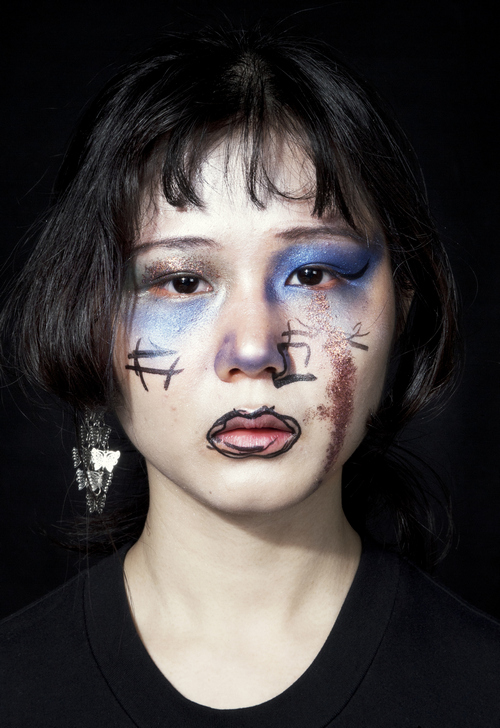
Susanne Junker is an artist with focus on photography. Born 1973 in Germany, she lives and works in Paris, France. Autodidact, her work concentrates on identity and femininity.

http://www.susannejunker.com/

This talk presentation is part of the exhibition that is placed in Laufer Art.

Share

BPM 2019: Susanne Junker – Talk about 21st century woman

30 mart od 11 do 13h
UK Stari grad
Kapetan Mišina 6a, 11000 Belgrade, Serbia

U organizaciji sa Cedra Belgrade Susanne Junker će razgovarati o svojoj novoj knjizi XXI Century Woman sa Marija Jovanovic. Cedra Belgrade

Susanne Junker je umetnica fokusirana na fotografiju. Rođena je 1973. u Nemačkoj a živi i stvara u Parizu, Francuska. Njen rad je fokusiran na identitet i ženstvenost.

http://www.susannejunker.com/

Ova prezentacija i razgovor deo su izložbe koja se nalazi u Laufer Art

Share

BPM 2019: Erostalgija vs Pornivora

March 29 at 8PM
X Vitamin
Studentski trg 11, 11000 Belgrade, Serbia

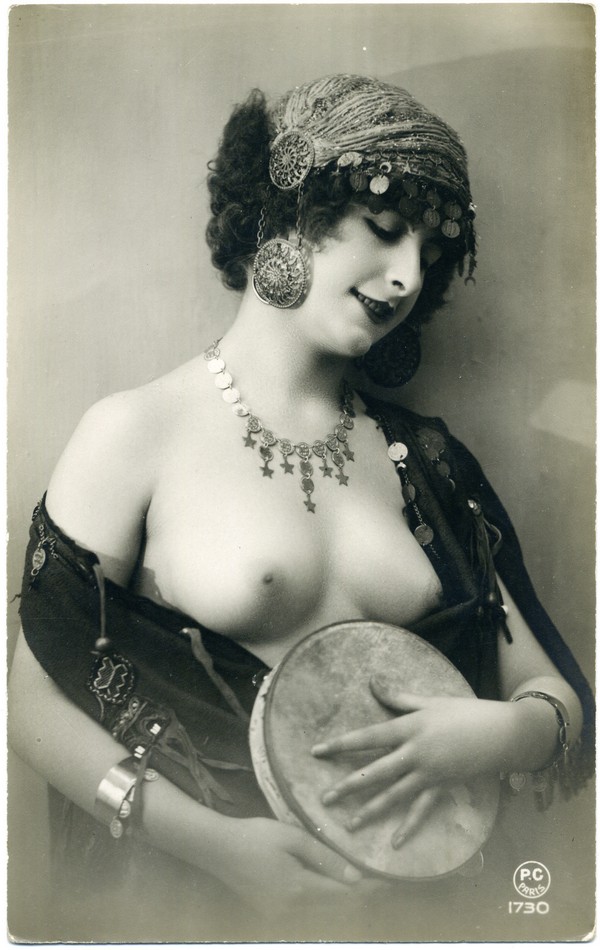
EROSTALGIA vs. PORNIVORA/ The erotic and porographic discourse in XXth (and XXIst) century
Author & curator Dušica Popović
Exhibited photographs from the collection of Miloš Jurišić
Part of Belgrade photo month

The exhibition titled EROSTALGIA vs. PORNIVORA problematizes the erotic and pornographic cultural content in mass, that is, nonartistic global culture primarily of the twentieth century with a short overview of the previous period and anticipation of the possible future cultural trends. The core of the exhibition presented in the catalogue essays discusses the topic through the prism of three (conditionally speaking) epochs: the period till the middle of the XIX century when the erotic and pornographic cultural contents were not so strictly demarcated; the period from the middle of the XIX century up to the seventies of the XX century when a tension and always ambivalent polarization between the terms and contents they refer to were present; and the period that came after the seventies of the last century and continues until the present when pornography has taken cultural primacy both in the literal and metaphoric sense. The material that illustrates the mentioned thesis will be the exhibited photographs of erotic or/and pornographic provenience from the collection of the collector and photographer of the Museum of Science and Technology Miloš Jurišić.

About author

Dušica Popović born 1981. in SFRJ. Graduated art history at Faculty of Philosophy, University of Belgrade. Writes art criticism and essays. Translates humanistic papers from english to serbocroatian language for The Third Programme of Radio Belgrade. Continuosly works on her own art movement titled otogrifism. Lives and works in Belgrade. Contact: otogriff@gmail.com

Share

BPM 2019: Erostalgija vs Pornivora

29. mart u 20h
X Vitamin
Studentski trg 11, 11000 Belgrade, Serbia

EROSTALGIJA vs PORNIVORA / Erotski i pornografski diskurs XX (i XXI) veka
X VITAMIN galerija, petak 29. mart 2019. u 20 časova
Izložba je deo programa Beogradskog meseca fotografije
Autorka i kustoskinja Dušica Popović
Fotografije iz kolekcije Miloša Jurišića.

Izložba pod nazivom EROSTALGIJA vs PORNIVORA se bavi problematizacijom erotskog i pornografskog kulturalnog sižea u masovnoj, tzv. neumetničkoj globalnoj kulturi prevashodno dvadesetog veka, uz kratak osvrt na raniji period i anticipaciju eventualnih budućih kulturalnih trendova. Okosnicu izložbe tj. eseja u katalogu predstavlja razmatranje date teme kroz prizmu tri (uslovne) epohe: period do početka ili sredine XIX veka, do kada erotski i pornografski kulturni sadržaji nisu bili strogo razgraničeni; period od sredine XIX do sedamdesetih godina XX veka, kada je došlo do napete i uvek ambivalentne polarizacije ta dva termina i sadržaja na koje se odnose; i period posle sedamdesetih godina prošlog veka do danas, od kada, u doslovnom ali i metaforičnom smislu, kulturni primat ima pornografija. Kao ilustrativni materijal pomenute teze, biće izložene fotografije erotske i/ili pornografske provenijencije, iz zbirke kolekcionara i fotografa Muzeja nauke i tehnike, Miloša Jurišića.

O autroki

Dušica Popović je rođena 1981. u SFRJ. Završila istoriju umetnosti na Filozofskom fakultetu u Beogradu. Piše kritiku iz oblasti vizuelne umetnosti i eseje. Prevodi sa engleskog na srpskohrvatski jezik tekstove iz humanistike, za Treći program Radio Beograda.
Kontinuirano razvija teoriju i praksu vlastitog umetničkog pravca pod nazivom otogrifizam. Živi i radi u Beogradu.
Kontakt: otogriff@gmail.com

Share

BPM 2019: Božidar Vitas – Oproštaj od Stare dame

March 29 at 6PM u 18h
Železnički Muzej U Beogradu
Nemanjina 6, 11000 Belgrade, Serbia

Božidar Vitas was born on November 26th, 1939 in Belgrade, Dorćol area, where he still resides. He has been engaged in the “art of painting with light” since 1957. He has had 132 solo exhibitions (84 “art of light paintngs” – photo exhibitions, 15 slide shows and 33 light shows) throughout Serbia. He has also had two solo exhibitions in Thessaloniki, one in the city of Tajimio (Japan), seven in Frankfurt (Germany), two in Doboj, one in Trebinje and Višegrad (Republic of Srpska), one in Travnik (Bosnia and Herzegovina) and one in Perth (Australia). He has participated in 290 multi-artist exhibitions and art events, domestically and internationally, as well as 62 art gatherings
and workshops. Altogether, 3800 different photographs and 1300 different dias oeuvres have been presented. More than 300 art pieces are now part of national and foreign museums, galleries and private collections.

Share

BPM 2019: Božidar Vitas – Oproštaj od Stare dame

29. Mart u 18h
Železnički Muzej U Beogradu
Nemanjina 6, 11000 Belgrade, Serbia

Božidar Vitas je rođen 26. novembra 1939. godine u Beogradu, na Dorćolu, gde i sada živi. Svetlopisom se bavi od 1957. godine. Samostalno izlagao 132 put (84 izložbe svetlopisa, 15 projekcija dijapozitiva i 33 projekcije svetlopisa) širom Srbije. Dva puta samostalno izlagao u Solunu, jedan put u japanskom gradu Tađimiju, sedam puta u Frankfurtu na Majni, dva puta u Doboju, jednom u Trebinju i Višegradu (Republika Srpska), jednom
u Travniku (BiH), jednom u Pertu (Australija). Učesnik je 290 kolektivnih izloćžbi i likovnih menafistaja u zemlji i inostranstvu, kao i 62 saborovanja (kolonija) likovnih umetnika. Na dosadašim izlaganjima prikazao je javnosti više od 3800 različitih fotografija i oko 1300 različitih dijapozitiva u boji. U muzejskim, galerijskim i privatnim kolekcijama u zemlji i inostranstvu ima više od 300 radova.

Share

BPM 2019: Susanne Junker – Researching Identity

March 29th at 6 PM
Laufer Art
Svetozara Radića 4, 11000 Belgrade, Serbia

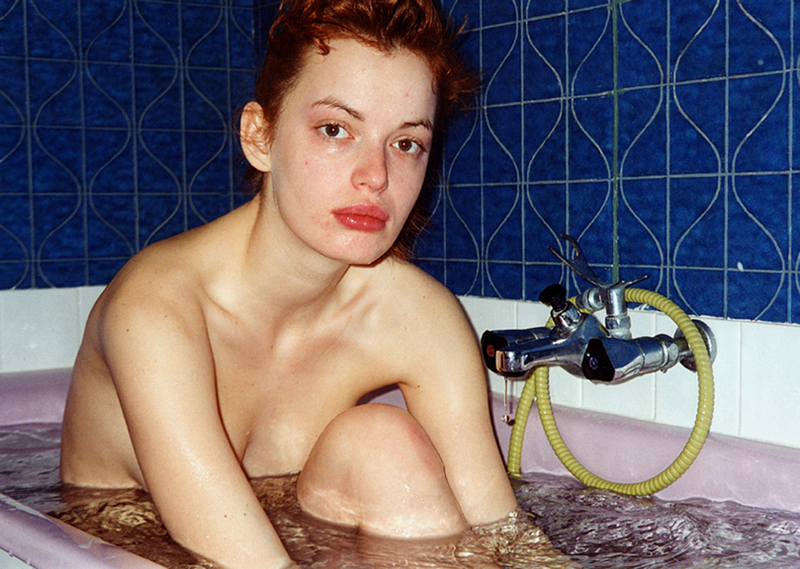
Selfie culture? Researching Identity through self-portraiture.

In the 1990s I earned a living as a subject in front of the camera. Years later, I radically shifted this orientation: I became the author of my own representation, gradually creating an extensive body of self-portraits. I have been doing this kind of work ever since, questioning always the position of the subject-woman with respect to the camera lens.

When I first began my work as a photographer, I drew inspiration from the work of Claude Cahun and Cindy Sherman among others, and I felt myself in good hands in this rather exclusive club of self-portraiture artists. Who could have imagined that 15 years later, “selfie” would become the word of the year in 2013 and that what seems like everyone in the world would be snapping away with a built-in camera-telephone turned around and aimed at themselves?

How the “self” actually figures in our increasingly “selfie culture” and what we as artists choose to put in our frames? Is there a difference of how do we present ourselves on social media and in art galleries? What does “perfection” mean? I ask about the distinction between art photography and contemporary selfies? In so doing, I evoke the explosive combination of anxiousness and celebration that comes from daring to realise abstract ideas with one’s own body, during the performance of the absolutely singular mixture of numbness and physical pain produced by the photo shoot as an experience of the process of creating art. What, if any, continuum can we draw between the image produced by that intense experience and
the quick image produced by an IPhone X and available filter work?

Susanne Junker

Sponsored by: Smokvica

On 30.3.2019 in UK Stari grad, in collaboration with Cedra Belgrade Susanne Junker will talk about her work with Marija Jovanovic and will present her book XXI Century Woman.

Share

BPM 2019: Susanne Junker – Researching Identity

29. Mart u 18h
Laufer Art
Svetozara Radića 4, 11000 Belgrade, Serbia

Selfi kultura? Istraživanje identiteta kroz autoportrete.

Devedesetih godina prošloga veka dobila sam priliku da živim kao
subjekat ispred kamere. Nekoliko godina kasnije radikalno sam promenila ovu orijentaciju: postala sam autor sopstvene pojave, konačno stvarajući uveličano telo autoportreta. Bavila sam se ovim tipom posla jako dugo, preispitujući položaj subjekta-žene, sa poštovanjem prema objektivu kamere.

Kada sam prvi put počela da radim kao fotograf, crpela sam inspiraciju, između ostalih, od Klod Kaun i Sindi Šerman i osećala sam da sam u dobrim rukama, jer sam u ovom prilično eksluzivnom krugu umetnika autoportreta. Ko bi samo mogao da zamisli da će 15 godina kasnije reč „selfi” da postane reč 2013. godine i da će ljudi širom sveta da se fotkaju kamerom mobilnog telefona sa rukama udaljenim od sebe, telefonima okrenutim naopačke usmerenih ka njima?

Kako se čovek uopšte definiše u našoj sve snažnijoj „selfi kulturi” i šta mi kao umetnici biramo da stavimo u ramove? Postoji li razlika između toga kako predstavljamo sami sebe na društvenim mrežama i u umetničkim galerijama? Šta „savršenstvo” uopšte znači? Koja je razlika između umetničke fotografije i privremenog selfija? I tako razmišljajući probudim u sebi eksploziju anksioznosti i slavlja koje dolazi od ideje da se usudim da shvatim apstraktnost ovih ideja svojim sopstevim telom, zajedno sa karakteristikama apsolutne jedinične mešavine utrnulosti i fizičkog bola koji se javljaju pri stvaranju fotografije kao iskustva procesa stvaranja umetnosti. Kakav, ako u uopšte bilo kakav, kontinuum možemo da
uspostavimo između slike nastale iz takvog intenzivnog iskustva i brzog snimka napravljenog pomoću IPhone-a X i propuštenog kroz dostupne filtere?

Susanne Junker

Sponsori: Smokvica

30.3.2019 UK Stari grad, u organizaciji sa Cedra Belgrade Susanne Junker će razgovarati o svojoj novoj knjizi XXI Century Woman sa Marija Jovanovic.

Share

Mar 28 at 7 PM
UK Stari grad
Kapetan Mišina 6a, 11000 Belgrade, Serbia

It is our pleasure to welcome you to Belgrade Photo Month 2019, the 4th edition of the Festival, our child that keeps growing.

As we like to say, this festival belongs to us and to you; it is a festival for people from Belgrade and Serbia, but also a festival for photography enthusiasts from every corner of the world who want to enjoy it, in person or online.

Many things have changed since we started the festival in 2016, from the team members to the very vision of the festival, from its visibility in the media to the different kinds of support we have received from both volunteers and institutions.

From one year to the next, we feel an increasing obligation to continue improving the quality of the festival, as well as our outreach, and this is not an easy task. We are aware that with last year’s festival we raised the bar high in terms of the quality of work exhibited, and despite the extremely challenging situation in
Serbia concerning financial support for cultural manifestations and culture in general, we will persevere in our endeavours to make the festival even more special. Through our imagination and creativity, we will transform these challenges into concrete objectives to continue promoting photography in Serbia and Serbian photographers to international audiences. For us, 2019 will be a year of important transition.

Thank you all on behalf of the entire Belgrade Photo Month team. I would also like to thank all participants and visitors; all partners who offered exhibition or presentation spaces; all our volunteers, sponsors and organisations who have helped us to make this dream possible.

We look forward to welcoming you back to Belgrade in 2020.

David Pujado

•NEW TALENTS 2019•

THE CHANGE IS INFORMATIVE, THE USUAL IS USELESS.
VILÉM FLUSSER, TOWARDS A PHILOSOPHY OF PHOTOGRAPHY

Nowadays, photographic media is available everywhere and enables its users to use it in many different ways – with artistic aspirations or without them. Regardless of the authors’ tendencies and aspirations, in photographic results, one can find quality that highlights a specific photo or a group of photos compared to all of the others that fit into the matrix of producing photographs. Production matrix make photos redundant, matrix makes
instruments out of photos and help build clichés that structure our vision of reality, condition our interactions and control our boundaries. What is that specific mean we could name artistic in the domain of modern photographic practice? I would say that it would be recognising a matrix that is embodied in the media, the power of art to skin the context in which, conspiratively, photographic media takes part and show us roles of all of the actors in a clear light and constellation relations within our broader social framework. This
is why the winners of this year’s competition New Talents 2019 contribute to understanding specific topics that are globally and generally important: ecological, political, private and public relations, themes of sexuality. It is noticeable that young generations understand the power of photography to critically indicate problems of our modern age, with a precise knowledge about genre potentials and forms of photographic expressions in showing the attitude and analysing social phenomena. However, a large number of applications give testimony to a kind of limitation of media usage to the sentiment of recording disappearing worlds, adding more to the scales that incline more towards death and less towards life, they incline towards death, yet at the same time wrapped in beauty and innocence. The world today is far from being innocent and it is more
in the situation of having no way out as such. This world is shown through photography in order to annihilate the power of individuals and entire collectives, citizens and entire social systems, in distribution of images through media, through dissemination of fluid media through social networks, where art should actually
represent a needle permanently piercing that virtual balloon. No matter that the balloon is renewed at an incredible speed, the blade of art is renewed with the same progression.

Maida Gruden

This is the 4th edition of our New Talents Contest, supported once again by Nikon Serbia, who have been with us since the 1st edition of the festival.

As with previous years, we have endeavoured to select a very eclectic jury team with 4 members: Marina Paulenka – Founder and Artistic Director at Organ Vida – International Photography Festival, Miroslav Karić – Art Historian, Maida Gruden – Visual Arts Programme Editor at Student’s City Cultural Center, Belgrade and Evita Goze – Writer, Curator, Project Manager at ISSP Gallery.

They had the very difficult task of selecting the best 3 projects from the 94 proposals that met the conditions to be part of the contest.

There was almost an equal amount of women and men submitting
proposals, with applications arriving from 40 different countries. The
countries with the highest amount of proposals were Serbia (20%), Spain (7%), Brasil, USA and India (5 %).

GRAIN will prepare a special issue featuring the work of the 10
finalists.
Thank you to Embassy of the Netherlands in Serbia and in Montenegro for their support.

The exhibition will include the projects:
Debbie Schoone – How to farm fish
Julian M Johnson – Marfan Syndrome
Svertilov Nikita – Custom pleasure
Sebastian Welles – Utopia

INSTAGRAM

Instagram was created almost nine years ago, by Kevin Systrom and Mike Krieger and was developed for use with Apple devices. Within the first two months of launching, Instagram had attracted two million users and that figure reached ten million by the end of the 1st year. Seven years ago in the month of April, Instagram became available on Android phones and was downloaded one million times in the first 24 hours. By September 2017 it had 800 million registered users.

Instagram started out as a homage to Kodak Instant and Polaroid with its particular square format 1:1 and a selection of filters that could be applied to the images. In 2015 Instagram allowed photographs to also be uploaded in rectangular form.

The photo with the most likes ever on Instagram is a photo of an egg posted by @world_record_egg in January, 2019 and has received over 53.2 million likes!

Three years ago the Belgrade Photo Month team decided to do an open call competition for Instagram users. The applications for this open call have increased enormously year by year, with the 2019 call receiving 1,100 entries.

The Belgrade Photo Month team and some BPM contributors did a blind selection of all the entries and the best entries form the BPM Instagram exhibition 2019.

Share

BPM 2019: Otvaranje festivala / Novi talenti / Instagram

28. mart u 19h
UK Stari grad
Kapetan Mišina 6a, 11000 Belgrade, Serbia

Izložbe su otvorene od 28/3 do 1/4 i od 10/4 do 23/4.
Exhibitions are open from 28/3 to 1/4 and from 10/4 to 23/4.

Zadovoljstvo nam je da vam poželimo dobrodošlicu na četvrto izdanje Beogradskog meseca fotografije, umetnički događaj koji neprekidno raste.

Kao što mi volimo da kažemo, ovaj festival pripada i vama i nama; to je festival namenjen Beograđanima i građanima Srbije, ali i svim onim ljubiteljima fotografije iz celog sveta koji žele da u njemu uživaju, bilo uživo bilo preko interneta.

Od osnivanja festivala 2016. godine mnogo toga se promenilo: od članova tima do same vizije festivala, njegove vidljivosti u medijima, različitih vidova podrške koju dobijamo od volontera i od institucija.

Svake godine osećamo sve veću obavezu da nastavimo da unapređujemo kvalitet festivala i širimo krug ljudi do kojih dopiremo, a to nije lak zadatak. Svesni smo da smo prošlogodišnjim izdanjem festivala, u pogledu kvaliteta izloženih radova, podigli lestvicu visoko i uprkos nezavidnoj situaciju u Srbiji što se tiče finansijske podrške kulturim manifestacijma i kulturi uopšte, istrajaćemo u našim naporima da učinimo festival još posebnijim. Imaginacijom i kreativnošću ove izazove ćemo pretvoriti u konkretne ciljeve kako bismo nastavili da promovišemo fotografiju u Srbiji, ali i fotografe iz Srbije predstavljamo međunarodnoj publici. Za nas će 2019. godina biti godina važne tranzicije.

U ime tima Beogradskog meseca fotografije, hvala vam svima. Hvala svim učesnicima i posetiocima; svim partnerima koji su nam ponudili izložbene prostore i izložbe; svim našim volonterima, sponzorima, organizacijama koje su pomogle da se naš san ostvari
.
Unapred se radujemo ponovnom susretu u Beogradu 2020. godine.

David Pužado

•NOVI TALENTI 2019•

PROMENA JE INFORMATIVNA, UOBIČEJENO JE NEKORISNO.
VILEM FLUSER, ZA FILOZOFIJU FOTOGRAFIJE

Fotografski medij danas je masovno dostupan i omogućava korisnicima da ga upotrebljavaju na različite načine sa umetničkim aspiracijama ili bez njih. Bez obzira na težnje i aspiracije autora, u fotografskim rezultatima se može pronaći kvalitet koji određenu fotografiju ili seriju fotografija izdvaja u odnosu na mnoštvo drugih
koje se ukalapaju u matrice proizvodnje fotografija. Matrice proizvodnje čine fotografije redundantnim, matrice nepogrešivo instrumentalizuju fotografije u izgradnji klišea koji pojmovno konstruišu naše poimanje stvarnosti, uslovljavaju naše interakcije i kontrolišu naše granice. Koje bi to svojstvo bilo koje bismo mogli
nazvati umetničkim u domenu savremene fotografske prakse? Rekla bih da je to prepoznavanje matrice koja se ustalila u korišćenju medija, moć umetnosti da razgoliti kontekst u kome konspirativno sudeluje fotografski medij i prikaže nam uloge svih aktera u jasnom svetlu i konstelacijskim relacijama u okviru šireg sociološkog okvira. Zato ovogodišnji pobednici konkursa Novi talenti 2019. doprinose razumevanju određenih tema koje su globalno i goruće važne: ekoloških, političkih, odnosa privatno-javnih, odnosno, tema seksualnosti. Primećuje se da mladi naraštaji uviđaju moć fotografije da kritički ukaže na probleme današnjice uz precizno poznavanje žanrovskih potencijala i formi fotografskog izraza u iskazivanju stava i analizi društvenih fenomena. Međutim,
veliki broj pristiglih aplikacija svedoči i o vrsti ograničenosti upotrebe medija na sentimentalno beleženje svetova koji nestaju, dodajući više na tas koji teži ka smrti a ne ka životu, a upakovan je u lepotu i bezazlenost. Svet je danas daleko od situacije bezazlenosti, više je u situaciji bezizlaznosti kakva nam se prikazuje u svetu koji koristi fotografiju da bi anulirao moć pojedinaca i čitavih kolektiva, građana i celokupnih društvenih sistema, kroz distribuciju slika putem medija, kroz disemnaciju fluidnih medija putem društvenih mreža, gde
bi umetnost u stvari trebalo da bude šilo koje će permanentno bušiti taj virtuelni balon. Bez obzira što se balon neverovatnom brzinom obnavlja, istom progresijom obnavlja se i oštrica umetnosti.

Maida Gruden

Ovo je četvrto izdanje našeg konkursa Novi talenti, ponovo uz podršku Nikon Srbija koji su sa nama od prve godine festivala.

Kao i u prethodnim izdanjiima festivala, nastojali smo da sastav našeg četvoročlanog žirija bude što eklektičniji. Ovaj put njega čine: Marina Paulenka – osnivač i umetnički direktor međunarodnog festivala fotografije Organ Vida, Miroslav Karic@ – istoričar umetnosti, Maida Gruden– urednik likovnog programa u Domu kulture Studentski grad u Beogradu i Evita Goze – pisac, kustos, menadžer u galeriji ISSP.

Oni su imali veoma težak zadatak da, od čak 94 pristigle prijave koje su zadovoljavale uslove konkursa, izaberu tri najbolja projekta.

Predloge projekata na konkurs je poslao približno isti broj ženskih i muških umetnika, a prijave su stigle iz 40 različitih zemalja. Najviše ih je došlo iz Srbije (20%), Španije (7%) , zatim iz Brazila, SAD i Indije (5%).
GRAIN će pripremiti posebno izdanje u kom će predstaviti rad 10 finalista.
Hvala i Embassy of the Netherlands in Serbia and in Montenegro na podršci.

The exhibition will include the projects:
Debbie Schoone – How to farm fish
Julian M Johnson – Marfan Syndrome
Nikita Svertilov – Custom pleasure
Sebastian Welles – Utopia

•INSTAGRAM 2019•

Instagram su pre skoro devet godina kreirali Kevin Sistrom (Kevin Systrom) i Majk Kriger (Mike Krieger). Prvobitno su ga razvili za korišćenje na Epl (Apple) uređajima. U prva dva meseca od pokretanja, Instagram je privukao dva miliona korisnika a na kraju prve godine njegovog postojanja ta cifra je dostigla deset miliona. Pre sedam godina, u mesecu aprilu, Instagram je postao dostupan na Android telefonima i za prva 24 časa preuzet je milion puta. U septembru 2017.godine imao je 800 miliona registrovanih korisnika.

Instagram je, sa svojim specifičnim kvadratnim formatom 1:1 i izborom filtera koji se mogu primeniti na slike, započeo kao omaž Kodak Instantu i Polaroidu. Od 2015.godine Instagram dozvoljava postavljanje fotografija u formatu pravougaonika.

Fotografija koja je do sada dobila najveći broj lajkova na Instagramu, čak 52,3 miliona, je fotografija jajeta koju je objavio @world_record_egg u januaru 2019. godine.

Tim Beogradskog meseca fotografije je pre tri godine odlučio da napravi otvoreni konkurs za korisnike Instagrama. Iz godine u godinu broj prijava je nevorovatno brzo rastao, da bi 2019.godine dostigao 1100 prijavljenih fotografija.

Članovi tima i nekoliko saradnika Beogradskog meseca fotografije napravili su selekciju ne znajući unapred ko su autori radova i te izabrane fotografije čine Instagram izložbu Beogradskog meseca fotografije za 2019.godinu.

Share